Source Waterproof Windproof Insulated Ski Jacket for Skiing, Hiking, Snowboarding
Compare 30 verified options for a waterproof windproof insulated ski jacket designed for winter sports. Buyers can evaluate features like 15,000mm waterproof ratings, PFC-free DWR treatment, and OEM customization services from Chinese manufacturers; compare the available evidence and request quotations based on your requirements.
Key considerations
Products List


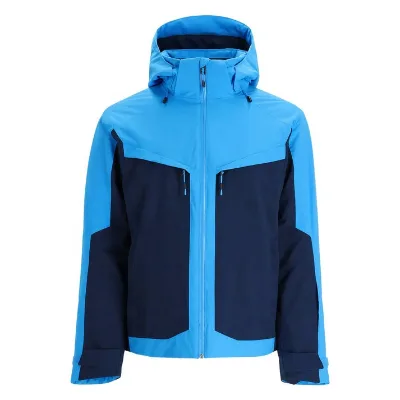


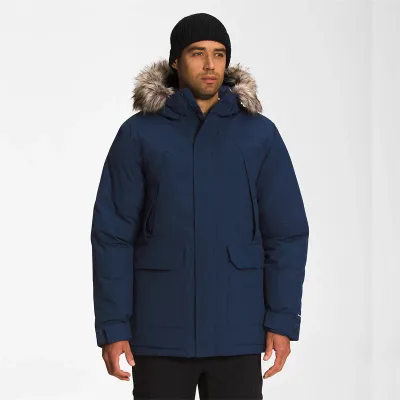


Comprehensive Sourcing Guide
Waterproof Windproof Insulated Ski Jacket Sourcing Guide
Procuring high-performance outerwear requires a precise understanding of material science and supply chain dynamics. Buyers must distinguish between basic weather resistance and true technical capability, especially when sourcing for winter sports applications. The market offers a wide array of options, ranging from standard insulated jackets to advanced ski-specific gear with specialized features like snow skirts and goggle pockets. Understanding these distinctions is critical for aligning product selection with end-user expectations and safety requirements.
This guide focuses on verified attributes observed in current listings, such as polyester and nylon constructions, specific waterproof ratings, and customization options. It provides a framework for evaluating suppliers based on tangible evidence rather than marketing claims. By adhering to strict verification protocols, procurement teams can mitigate risks associated with quality inconsistencies and ensure that the final products meet the rigorous demands of cold-weather environments.
Product Scope and Observed Listing Signals
Current market data indicates a diverse range of insulated ski jackets, with observed price points spanning from $15.90 to $106.00 USD. This variance often reflects differences in material quality, brand positioning, and the extent of customization services offered. Minimum order quantities (MOQs) typically range from 2 to 1,000 units, allowing flexibility for both small boutique brands and large-scale retailers. Buyers should note that lower price points may correlate with standard designs, while higher tiers often include advanced features like PFC-free DWR treatments or heat-reflective linings.
The product scope includes various models identified by codes such as GDL011, GDL010, and AEPN002, suggesting a broad catalog from manufacturers. Common attributes include windproof and waterproof features, with some items specifying a 15,000mm waterproof rating and 15,000g/m²/24h breathability. These metrics are crucial for determining suitability for heavy snow or high-intensity activities. Additionally, features like underarm zipper vents, fixed snow skirts, and dedicated ski pass pockets are prevalent in specialized ski wear, distinguishing them from general winter jackets.
Technical Specifications to Verify
Material composition is a primary determinant of performance and durability. Listings frequently cite polyester and nylon as outer shell materials, with polyester also used for insulation filling. Buyers must verify the specific denier count and weave type to ensure adequate tear resistance, especially for rip-stop variants. The presence of a heat-reflective lining is a notable feature in some models, enhancing thermal efficiency without adding excessive bulk. Confirming the exact material blend is essential, as it directly impacts the jacket’s weight, packability, and long-term wear characteristics in harsh conditions.
Technical specifications also encompass functional design elements that enhance usability on the slopes. Key features to verify include the quality of zippers, with SBS brands being a common indicator of reliability. Ventilation systems, such as underarm zipper vents, are critical for temperature regulation during high-exertion activities. Additionally, pocket designs should accommodate modern gear, including ski pass pockets and goggle storage. The inclusion of a fixed snow skirt helps prevent snow ingress, a vital feature for deep-snow skiing. Ensuring these components are integrated correctly is as important as the shell material itself.
Compliance and Safety Documentation
Environmental compliance is increasingly important in textile manufacturing, particularly regarding durable water repellent (DWR) treatments. Some suppliers offer PFC-free DWR options, which align with growing regulatory pressures and consumer demand for sustainable products. Buyers should request documentation confirming the absence of per- and polyfluoroalkyl substances (PFAS) to ensure compliance with emerging environmental standards in key markets like the European Union and North America. This verification step protects brands from potential regulatory backlash and supports corporate sustainability goals.
Safety and performance standards must also be rigorously checked. While specific test results are not always listed, buyers should inquire about adherence to international standards for waterproofness and breathability. The observed ratings of 15,000mm and 15,000g/m²/24h suggest a high-performance tier, but independent lab verification is recommended. Additionally, chemical safety compliance, such as REACH or CPSIA, should be confirmed to ensure the garments are safe for adult wearers. Proper documentation ensures that the products can be legally sold and marketed in target regions without risk of recall.
Cost Drivers and Commercial Terms
Several factors influence the final cost of insulated ski jackets, including material selection, customization complexity, and order volume. Custom logo printing and OEM/ODM services add to the base price but offer significant branding value. The observed production lead time of 45-60 days indicates a complex manufacturing process, which may impact inventory planning and cash flow. Buyers should factor in these timelines when negotiating contracts to avoid stockouts during peak winter seasons. Sample times of 7-10 days allow for quality assessment before full-scale production begins.
Packaging and shipping logistics also contribute to overall costs. Standard packing methods, such as 1 PC per polybag and 10 PCS per carton, affect container utilization and freight expenses. Some suppliers offer customized packing solutions to meet specific retail requirements, which may incur additional fees. Understanding the carton dimensions, such as 60cm x 40cm x 40cm, helps in optimizing logistics and warehousing. Clear communication regarding these commercial terms ensures accurate cost forecasting and prevents unexpected expenses during the procurement process.
Supplier Qualification and Quality Control
Evaluating supplier capabilities is crucial for maintaining product consistency. Buyers should verify the supplier’s origin, with many manufacturers located in regions like Jiangxi, China, known for textile production. Assessing their production capacity and quality control processes is essential, especially for large orders. Requesting references or case studies from previous clients can provide insight into their reliability and adherence to deadlines. A robust quality control system should include pre-production samples, in-line inspections, and final random inspections to catch defects early.
Customization services, such as logo printing and size range adjustments from S to XXL, require precise execution. Buyers should confirm the supplier’s ability to handle plus-size customizations and maintain consistent sizing across batches. The availability of OEM/ODM services indicates flexibility, but it also demands clear communication of technical specifications. Establishing a detailed quality agreement that outlines acceptable defect rates and remediation procedures is vital. This proactive approach minimizes the risk of receiving substandard products and ensures that the final goods meet brand expectations.
Long-Term Procurement Checks
Building a sustainable supply chain requires ongoing monitoring and relationship management. Regular audits of supplier performance, including on-time delivery rates and product quality metrics, help identify potential issues before they escalate. Maintaining open communication channels allows for quick resolution of any discrepancies or changes in market conditions. Buyers should also stay informed about evolving industry trends, such as new sustainable materials or advanced waterproofing technologies, to keep their product offerings competitive.
Continuous improvement in procurement processes is essential for long-term success. This includes refining supplier evaluation criteria, negotiating better terms based on volume commitments, and exploring diversification strategies to mitigate supply chain risks. By leveraging data from past orders, buyers can make more informed decisions about future purchases. Establishing a feedback loop with end-users can also provide valuable insights into product performance, guiding future design and sourcing decisions. This strategic approach ensures that the procurement function remains agile and responsive to market demands.
FAQs
Can I customize the logo on this ski jacket?
Yes, customization is available for this ski jacket. The product supports OEM and ODM services, allowing you to add your specific logo or branding. This service is ideal for brands looking to create unique apparel. The pattern type can be adjusted to include your logo, ensuring your merchandise stands out in the winter market.
What is the waterproof rating of this jacket?
This jacket features a waterproof rating of 15,000mm. This high rating ensures effective protection against heavy snow and rain during winter activities. The material is treated with PFC-Free DWR to enhance water repellency. This specification makes it suitable for demanding outdoor conditions while maintaining breathability for comfort.
What materials are used in the jacket construction?
The jacket is constructed from polyester and nylon materials. Some models use nylon for the outer shell, while others utilize polyester. The lining features heat-reflective technology to retain warmth. These materials are selected for their durability, windproof properties, and ability to provide insulation, ensuring the wearer stays warm in cold environments.
What is the production lead time for orders?
The production lead time is typically 45-60 days. This timeframe applies to bulk manufacturing orders for the ski jacket. Sample production takes 7-10 days. Buyers should plan their procurement schedule accordingly to ensure timely delivery for the winter season. This lead time allows for quality control and customization processing.
What sizes are available for this ski jacket?
The jacket is available in sizes ranging from S to XXL. Plus size customization is also offered to accommodate various body types. The standard size range ensures a fit for most adults. Buyers can request specific sizing requirements to meet their target demographic needs, ensuring a comfortable fit for winter sports enthusiasts.
How is the jacket packed for shipping?
The jacket is packed in polybags with ten pieces per carton. The carton size is 60cm by 40cm by 40cm. This packaging method protects the garment during transit. Some models may have packing according to customer requirements. This standardized packing ensures efficient logistics and storage for bulk orders of insulated ski wear.